An own online store Malaysia businesses can manage independently offers a different way to sell products compared with relying entirely on marketplaces such as Shopee and Lazada. For Malaysian sellers, choosing the right eCommerce platform is an important business decision that can influence profit margins, customer relationships, branding and long-term growth.
Marketplaces make it relatively easy to start selling online because they already have established shopping platforms, product discovery features and customer purchasing systems. However, sellers also operate within marketplace rules, fee structures and competition.
On the other hand, having your own eCommerce website gives you greater control over your online store, branding, customer experience and marketing strategy. You can build a direct relationship with customers and develop your own sales channels.
So, should you continue selling through Shopee or Lazada, or should you start your own online store in Malaysia?
The answer depends on your business goals, product category, budget and long-term growth plans. In this guide, we compare both options and explain how Malaysian sellers can choose the right eCommerce strategy.
1. Shopee vs Own Website: Understanding the Difference
Before choosing an eCommerce platform, understand how marketplaces and independent online stores operate.
Shopee and Lazada are online marketplaces where multiple sellers list their products on an established platform. Customers visit the marketplace, search for products, compare sellers and complete purchases through its shopping system.
An independent online store operates under your own domain name. Instead of listing products on someone else’s marketplace, you create and manage your own branded shopping website.
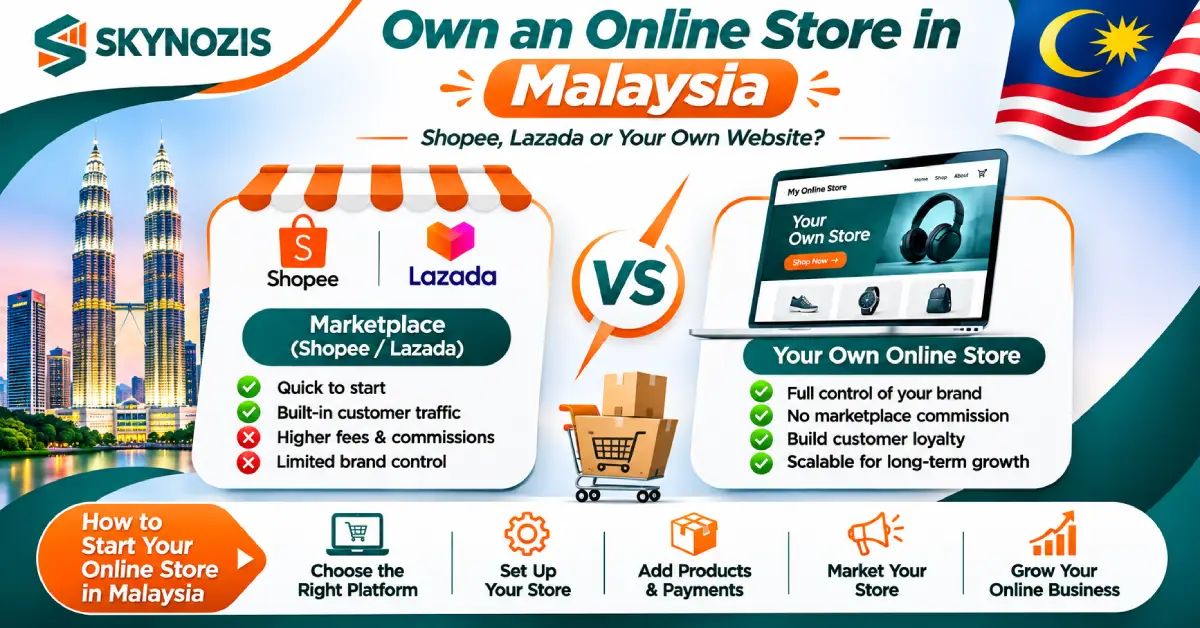
Here is a comparison of the two approaches.
| Feature | Shopee / Lazada | Own Online Store |
|---|---|---|
| Initial setup | Marketplace seller registration | Website development required |
| Branding | Marketplace-based environment | Greater branding control |
| Product listings | Marketplace listings | Custom product pages |
| Customer relationship | Platform-controlled communication | Direct customer relationship |
| Customer data | Subject to platform policies | Greater control over permitted customer data |
| Marketing | Marketplace promotions and ads | Your own marketing channels |
| Competition | Other marketplace sellers | Your own website environment |
| Payment options | Marketplace payment system | Configurable payment gateways |
| Website design | Limited customisation | Customisable design |
| Sales channels | Marketplace ecosystem | Multiple marketing integrations |
| Long-term flexibility | Subject to marketplace rules | Greater operational control |
Neither option is automatically better for every business.
Marketplaces can help sellers access existing shopping audiences, while independent eCommerce websites offer more control over the customer experience and business operations.
2. Advantages of Selling Through Shopee and Lazada
Marketplaces are popular among Malaysian online sellers because they provide an established environment for selling products.
Access to an Existing Customer Audience
One of the biggest advantages of Shopee and Lazada is that customers already visit these platforms to search for products.
A new seller can create product listings and potentially reach shoppers without first building an independent website or attracting all their own website traffic.
This can be particularly useful for startups and small businesses testing product demand.
Easier Store Setup
Starting a marketplace store generally requires less technical work than developing an independent eCommerce website.
Sellers can register their accounts, upload product information, add photographs and configure their marketplace storefront according to the platform’s requirements.
You do not need to manage website hosting, install an eCommerce system or develop a checkout process from scratch.
Integrated Shopping and Order Management
Marketplaces provide established purchasing and order management features.
Depending on the platform and seller arrangements, these may include:
- Product listing management
- Shopping cart functionality
- Order processing
- Payment processing
- Shipping arrangements
- Customer reviews
- Promotional campaigns
- Seller performance information
These features make marketplaces convenient for businesses that want to concentrate on product sourcing, inventory and order fulfilment.
Customer Reviews and Marketplace Promotions
Product reviews and ratings can help customers evaluate products before making purchasing decisions.
Marketplace promotional features, such as vouchers, campaign participation and platform advertising, can also help sellers attract attention.
However, sellers should understand the associated promotional costs and eligibility requirements before participating.
3. Disadvantages of Depending Entirely on Marketplaces
Although marketplaces offer convenience, depending entirely on them can create challenges as your business grows.
Marketplace Fees Can Affect Profit Margins
Marketplace selling costs can include different types of fees depending on the seller programme, product category, promotional participation and applicable policies.
For example, sellers may need to account for:
- Commission fees
- Transaction-related fees
- Payment processing charges
- Campaign participation costs
- Advertising expenses
- Shipping-related costs
- Seller programme charges
These expenses can reduce your profit margins, particularly when selling products with relatively low margins.
Consider a simple example.
If you sell a product for RM100 and your product sourcing, packaging and delivery-related expenses total RM65, your initial gross contribution is RM35 before marketplace fees, advertising, taxes and other operating expenses.
If additional selling costs increase, your remaining profit decreases.
This is why sellers should regularly calculate their actual cost per order instead of looking only at total sales revenue.
Marketplace fee structures change, so check the current official seller fee schedules before making financial decisions.
Strong Competition From Other Sellers
On marketplaces, your products may appear alongside similar products offered by competing sellers.
Customers can compare prices, ratings, delivery options and promotions within the same shopping environment.
This can create pressure to reduce prices or participate in promotional campaigns.
For sellers offering common products, maintaining healthy profit margins may become challenging.
Limited Control Over Branding
Marketplace storefronts operate within the platform’s design and functionality.
Although sellers can customise certain storefront elements, they cannot control the complete shopping experience in the same way they can with an independent website.
If your business wants a distinctive brand identity, a marketplace alone may not provide enough flexibility.
Dependence on Marketplace Policies
Marketplace sellers must follow the platform’s terms, selling policies and operational requirements.
Changes to fees, advertising features, product listing rules or account requirements may affect your business.
This does not mean marketplaces are unsuitable. It simply means sellers should avoid depending on a single sales channel for their entire business.
Build Your Own Online Store with Skynozis
Ready to Take Your Online Business Beyond Marketplaces?
Give your brand its own digital storefront with a professional eCommerce website that showcases your products, supports online payments and helps you build direct customer relationships.
Skynozis provides custom eCommerce website design and development solutions for businesses looking to establish and grow their online stores.
4. Benefits of Having Your Own Online Store in Malaysia
An independent eCommerce website gives your business more flexibility in how products are presented, marketed and sold.
Here are some important advantages.
Build Your Own Brand Identity
Your website can be designed around your business name, logo, brand colours and product positioning.
You can create custom product pages, landing pages, promotional sections and shopping experiences that reflect your brand.
For example, a Malaysian skincare brand can create dedicated pages explaining product ingredients, product benefits, usage instructions and customer reviews.
This gives customers a more complete understanding of the brand rather than relying only on standard marketplace product listings.
Greater Control Over Customer Relationships and Data
One of the main benefits of an independent online store is the ability to build direct customer relationships.
Depending on your consent practices, privacy policy and applicable regulations, you can collect information such as customer contact details, order history and preferences.
This information can support activities such as:
- Customer support
- Order notifications
- Repeat purchase campaigns
- Email marketing
- Product recommendations
- Customer retention programmes
For example, a customer who purchases skincare products may be interested in complementary products or future product launches.
With appropriate consent and data protection practices, your own store can help you build long-term customer relationships.
Improve Profitability Through Better Cost Management
An independent store has its own operating expenses, including website hosting, development, payment gateway charges, marketing and maintenance.
However, you are not necessarily subject to the same marketplace commission structure for every direct website order.
This can provide more flexibility when planning product pricing and profit margins.
You should still calculate all costs, including customer acquisition expenses, payment processing charges, shipping and website maintenance.
Owning a website does not automatically guarantee higher profits. Its financial benefits depend on how effectively you attract customers and manage your operations.
Create Your Own Marketing Strategy
With an independent website, you can develop marketing campaigns across different channels.
These may include:
- Google Ads
- Search engine optimisation
- Facebook advertising
- Instagram marketing
- Email marketing
- WhatsApp Business
- Influencer campaigns
- Content marketing
Instead of relying only on marketplace promotions, you can build a marketing strategy around your own website and customer acquisition goals.
Build Repeat Customers
Customer retention is an important part of eCommerce growth.
An independent online store can support customer accounts, order history, email subscriptions, loyalty programmes and personalised promotions.
These features can help encourage customers to return to your store.
For businesses selling consumable products, beauty products, clothing or household items, repeat purchases can become an important part of the sales strategy.
5. Lazada vs Own Store: Which Is Better for Your Business?
The comparison between Lazada and an independent online store is similar to the comparison with Shopee, but your decision should consider the way you currently acquire customers.
Lazada provides an established marketplace environment where customers can discover products and purchase through its shopping platform.
Your own store provides more control over website design, product presentation, customer experience and marketing.
Consider these situations.
Choose Lazada when:
- You want to reach existing marketplace shoppers.
- You are testing new products.
- You prefer an established selling environment.
- You want to use marketplace promotional opportunities.
Choose your own store when:
- You want to build a recognisable brand.
- You need a customised shopping experience.
- You want to develop direct customer relationships.
- You want greater control over marketing and customer retention.
For many businesses, the better approach is not necessarily choosing one platform over the other. It is developing a sales strategy that uses both marketplace and independent website channels.
6. How Much Does It Cost to Start an Online Store in Malaysia?
The cost of starting an online store Malaysia sellers should budget for depends on the platform, number of products, design requirements and functionality.
An independent eCommerce website involves several initial and ongoing expenses.
| Expense | What It Covers |
|---|---|
| Domain registration | Your online store address |
| Website hosting | Server resources and storage |
| Website design | Store layout and branding |
| eCommerce development | Shopping cart and checkout functionality |
| Payment gateway | Online payment processing |
| Product content | Product photographs and descriptions |
| Shipping integration | Delivery configuration |
| Website maintenance | Updates, backups and technical support |
| Marketing | Advertising and customer acquisition |
For example, a small online store selling a limited number of products may require a relatively simple setup.
A larger store with multiple product categories, advanced filters, customer accounts, shipping integrations and promotional functionality may require more extensive development.
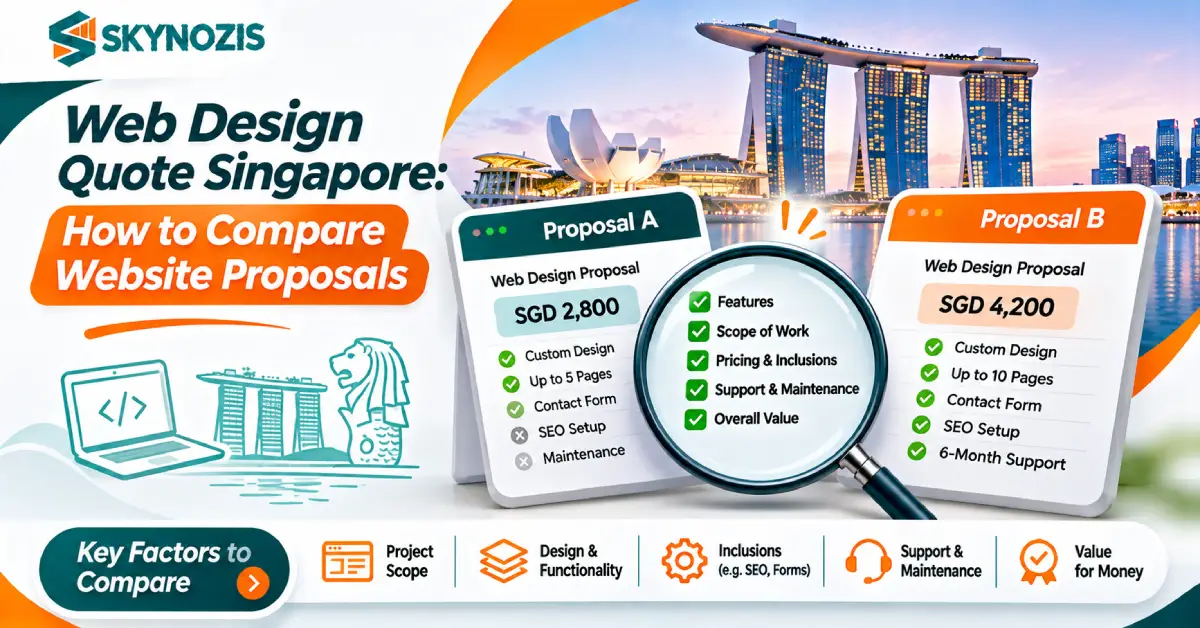
When requesting a website quotation, ask whether the package includes product uploads, payment gateway configuration, shipping setup, mobile optimisation and basic SEO.
Also check whether recurring hosting, software licences and maintenance charges are included.
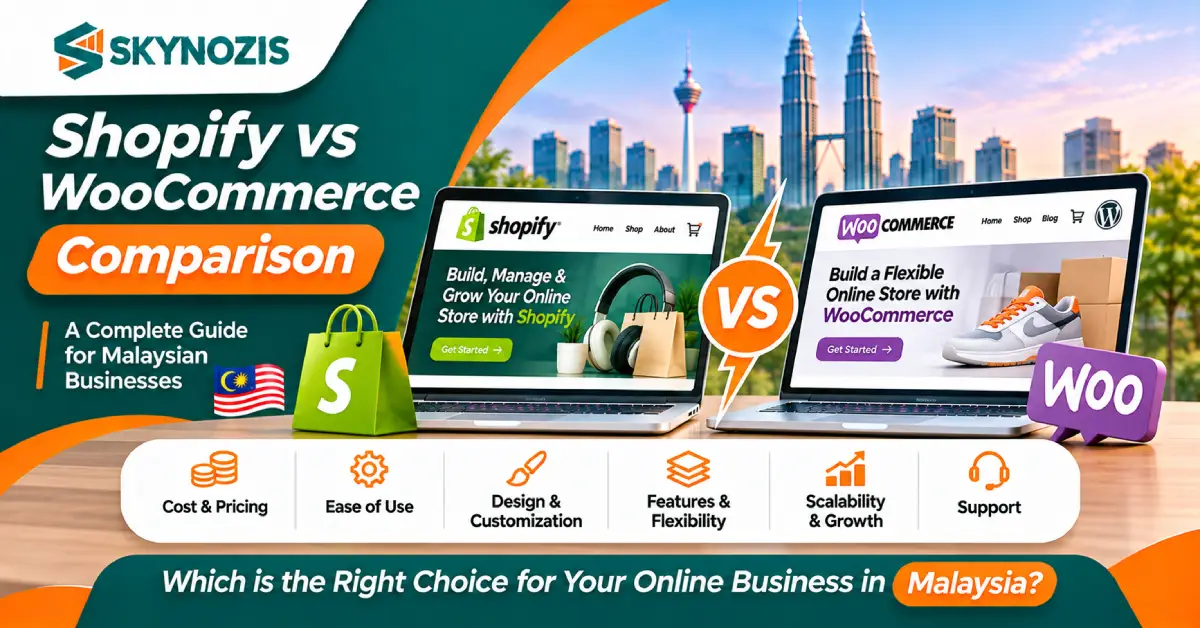
7. Shopify vs WooCommerce: Which Platform Should Malaysian Sellers Choose?
Once you decide to build your own online store, the next question is which eCommerce platform to use.
Two popular options are Shopify and WooCommerce.
Shopify
Shopify is a hosted eCommerce platform designed to help businesses create and manage online stores.
It provides store management features, product catalogues, checkout functionality and access to additional applications.
Shopify can be suitable for sellers who prefer a managed platform and want to concentrate on products, orders and marketing.
Depending on the selected plan and available integrations, additional costs may include subscription fees, applications, payment processing and other services.
WooCommerce
WooCommerce is an eCommerce solution built for WordPress.
It is suitable for businesses that want greater flexibility over their website design, content and store functionality.
Common WooCommerce features include:
- Product and category management
- Shopping cart and checkout
- Payment gateway integration
- Shipping configuration
- Coupon management
- Customer accounts
- Inventory management
- Extensions and custom functionality
WooCommerce is particularly useful for businesses that want to combine an online store with content marketing and SEO-focused website pages.
Which Platform Is Right for Malaysian Sellers?
Shopify may be suitable if you prefer a hosted platform with an integrated store management environment.
WooCommerce may be more suitable if you want a WordPress-based store with flexible design and customisation options.
Before selecting either platform, check payment gateway compatibility, Malaysian shipping requirements, software costs and the technical support available.
8. Payment and Shipping Considerations for Malaysian Online Stores
Payment and delivery arrangements are important when building an independent online store.
Your checkout process should support payment methods that are convenient for your target customers.
Payment Gateway Integration
Malaysian online shoppers use different payment methods, depending on the merchant and payment provider.
Your store may need support for:
- Online banking
- FPX payments
- Debit and credit cards
- Digital wallets
- Other supported payment methods
FPX is a relevant consideration for Malaysian businesses because it supports online banking payments through participating financial institutions.
Before choosing a payment provider, check its supported platforms, transaction charges, settlement arrangements, onboarding requirements and integration options.
Shipping and Delivery Configuration
Your online store should clearly explain its delivery arrangements.
Consider:
- Domestic shipping options
- Delivery charges
- Estimated delivery periods
- Tracking information
- Order fulfilment
- Return and exchange policies
- Shipping integration
A clear delivery process can reduce customer confusion and improve the overall shopping experience.
Get an eCommerce Website Development Quote
Ready to Launch Your Own Online Store in Malaysia?
Take control of your online shopping experience with a professionally developed eCommerce website. Whether you prefer Shopify or WooCommerce, Skynozis can help you create an online store designed around your products, brand and business requirements.
Discuss your project with our team and request a customised eCommerce website development quotation.
9. Should You Sell on Shopee, Lazada and Your Own Website Together?
For many Malaysian sellers, using multiple sales channels can be a practical long-term strategy.
Instead of immediately leaving marketplaces, you can gradually build your own website alongside your existing marketplace stores.
Here is how this approach can work.
Use Marketplaces to Reach New Customers
Continue using Shopee and Lazada to introduce your products to marketplace shoppers.
These platforms can help you test product demand, understand customer preferences and identify products that perform well.
Use Your Website to Build Your Brand
Create an independent store where customers can explore your complete product range, learn about your business and access detailed product information.
You can also publish helpful content, product guides and promotional landing pages.
Build Your Own Marketing Channels
Use SEO, social media, advertising and email marketing to attract customers to your website.
Over time, your business can develop multiple customer acquisition channels instead of depending entirely on marketplace traffic.
Maintain Consistent Product and Inventory Information
When selling through multiple platforms, product prices, stock availability and order information should be managed carefully.
Depending on your sales volume, you may benefit from inventory management software or integrations that synchronise product information across different channels.
This can help reduce overselling, stock discrepancies and manual administration.
10. How to Start Your Own Online Store in Malaysia
If you currently sell through Shopee or Lazada and want to launch your own website, you can approach the process step by step.
Step 1: Define Your Online Store Requirements
Identify your products, target customers, product categories and business objectives.
Step 2: Choose Your Domain Name
Select a domain that reflects your business name or brand identity. Consider suitable domain extensions such as .com or .com.my.
Step 3: Select an eCommerce Platform
Compare Shopify and WooCommerce based on your technical requirements, budget and future expansion plans.
Step 4: Plan Your Website Structure
Prepare essential pages such as Home, Shop, About Us, Contact, Shipping Policy, Returns Policy, Privacy Policy and Terms and Conditions.
Step 5: Prepare Product Information
Collect product photographs, descriptions, prices, variations and inventory details.
Step 6: Configure Payments and Shipping
Choose suitable payment gateway and delivery options for your Malaysian customers.
Step 7: Optimise Your Store for Search Engines
Prepare SEO-friendly product titles, descriptions, category pages, URLs and image alt text.
Step 8: Test Before Launching
Check the shopping cart, checkout, payment process, mobile responsiveness, order notifications and shipping calculations.
Step 9: Start Marketing Your Store
Promote your website through social media, search engines, email campaigns and other suitable channels.
A properly planned launch can help you establish a professional online store without making unnecessary technical investments.
Frequently Asked Questions
Both options have advantages. Shopee can help sellers reach existing marketplace shoppers, while an independent online store offers greater control over branding, customer relationships, website design and marketing. Many businesses benefit from using both channels.
Yes, it can be worthwhile if you want to build your brand, develop direct customer relationships and create an additional sales channel. However, you should consider website development, hosting, payment processing and marketing expenses before launching.
Shopee provides an established marketplace where customers discover products from multiple sellers. Your own website allows you to manage your store under your brand, customise the shopping experience and develop your own customer acquisition strategy.
Yes. Many businesses use multiple sales channels. However, you should manage inventory, product pricing, orders and customer support carefully to avoid stock and fulfilment issues.
The cost depends on the platform, number of products, design requirements and additional functionality. You should also budget for domain registration, hosting, payment gateway charges, shipping, maintenance and marketing.
Shopify is suitable for businesses that prefer a hosted eCommerce platform, while WooCommerce offers flexibility through WordPress. Compare payment compatibility, ongoing costs, integrations and customisation requirements before choosing.
Yes, subject to the selected payment provider’s supported payment methods and integration requirements. Check whether the gateway supports your chosen eCommerce platform and what transaction charges apply.
An independent store can provide access to customer and order information that you are permitted to collect and use. However, you must follow applicable privacy and data protection requirements, including obtaining appropriate consent for marketing communications.
Not necessarily. Platforms such as Shopify and WooCommerce provide administrative interfaces for managing products, orders and content. However, technical assistance may be needed for custom features, integrations, security and maintenance.
Build Your Own Online Store While Expanding Beyond Marketplaces
Shopee and Lazada provide convenient opportunities for Malaysian sellers to reach existing online shoppers, promote products and manage orders. However, depending entirely on marketplaces may limit your control over branding, customer relationships and the overall shopping experience.
Building your own online store creates another opportunity to grow your business. You can develop your brand identity, manage your website, build direct customer relationships and attract visitors through SEO and digital marketing.
For many sellers, the best strategy is not to abandon marketplaces immediately. Instead, use Shopee and Lazada to reach marketplace customers while gradually developing an independent eCommerce website.
Whether you choose Shopify or WooCommerce, plan your online store around your products, target customers and long-term business objectives.
At Skynozis, we provide custom eCommerce website design and development solutions to help businesses establish their own online stores.
Start building your independent online store with Skynozis and create more opportunities for your business to grow.